
Study Finds Toxic Chemicals in Military Meals and MREs, Sparking New Concerns
Recent testing of U.S. military food—including Meals Ready-to-Eat (MREs) and cafeteria meals served on military bases—has raised new concerns about the presence of pesticides, heavy metals, veterinary drugs, and other contaminants in food consumed by service members. While military rations are designed to provide convenient and shelf-stable nutrition for troops in demanding environments, independent laboratory testing suggests that some of these meals may contain a wide range of contaminants.
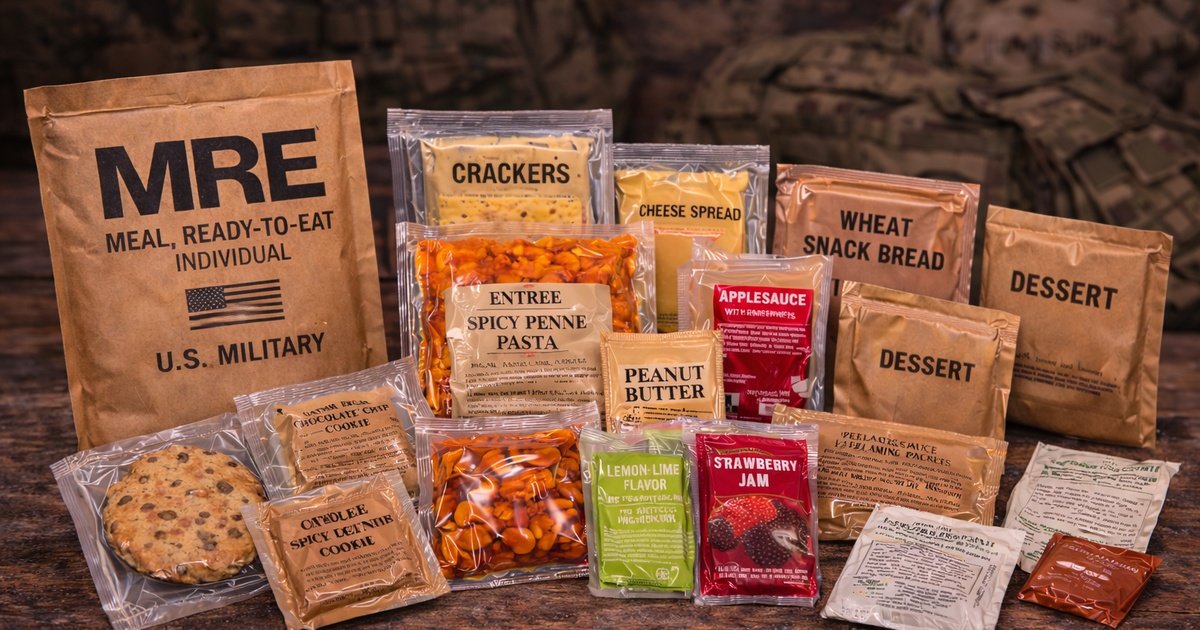
A recent study examined 40 samples of military food, including 16 meals from six military base cafeterias and 24 MREs. The tested foods included common ingredients such as wheat, corn, soy, and meat likely sourced through conventional agricultural supply chains. According to the testing results, every sample contained at least one detectable contaminant, raising questions about cumulative exposure risks for service members who may rely on these meals for extended periods.
The findings have prompted renewed debate about food quality and safety within the military supply system and have led some advocates to call for improved sourcing standards and stronger oversight.
Pesticides Found in Every Sample
One of the most striking findings was the widespread presence of pesticide residues.
According to the testing results:
100 percent of military food samples contained pesticide residues.
Over 70 percent of samples contained multiple pesticides, ranging from 2 to 26 different residues in a single food item.
In total, 62 pesticides or chemical mixtures were detected across the tested samples.
Many of the pesticides identified are commonly used in conventional agriculture on crops such as wheat, corn, and soy. However, the report noted that all of the pesticide products detected are manufactured overseas, with approximately 65 percent produced primarily in China or other foreign countries.
Researchers emphasized that while individual pesticide levels may fall within regulatory limits, the combined or “synergistic” health effects of multiple pesticide exposures are rarely evaluated, particularly when dozens of residues may be present simultaneously.
Glyphosate Detected in the Majority of Samples
The testing also identified widespread presence of glyphosate, the active ingredient in many herbicides.
According to the analysis:
95 percent of military food samples contained detectable levels of glyphosate or its breakdown product AMPA.
Glyphosate is one of the most widely used herbicides in the world and is commonly applied to genetically engineered crops such as corn and soy. Debate over its safety has persisted for years. Some scientific studies have linked high or prolonged exposure to potential health risks, including cancer, while regulatory agencies in the United States maintain that glyphosate is safe when used according to approved guidelines.
The issue has also become politically and legally contentious. The Trump administration recently invoked the Defense Production Act to strengthen domestic production of key agricultural chemicals, including glyphosate, citing national security and food supply concerns. The policy also included provisions that could limit liability exposure for manufacturers. Critics argue that such protections may shield companies like Bayer— which acquired Monsanto, the original manufacturer of Roundup— from thousands of lawsuits alleging that glyphosate-based herbicides contributed to cancer. The move quickly drew criticism on Capitol Hill, and within days lawmakers introduced H.R. 7601, the “No Immunity for Glyphosate Act,” which would prohibit the use of federal funds to implement the executive order and prevent liability protections for glyphosate manufacturers.
Regardless of the ongoing regulatory and legal debate, glyphosate residues can remain on crops after harvest and processing. In some cases, glyphosate is also applied shortly before harvest in a practice known as “pre-harvest desiccation,” where the herbicide is sprayed late in the growing season to kill the crop and accelerate drying, allowing farmers to harvest earlier and more uniformly than would occur naturally. As a result, trace amounts of glyphosate are frequently detected in processed foods derived from crops such as corn, wheat, and soy—ingredients commonly used in both civilian food products and military rations like MREs.
Veterinary Drug Residues Found in Meat Products
Testing also detected residues of five veterinary drugs in some samples.
These included:
Ractopamine, a growth-promoting drug used in U.S. pork and beef production
Trenbolone acetate, a hormone used to accelerate cattle growth
Three additional veterinary drugs not approved for human use in many countries
Ractopamine and trenbolone acetate are banned in more than 160 countries, including members of the European Union, China, and Russia.
The testing report indicated that four of the five veterinary drugs detected are manufactured in China, suggesting that contamination may originate from imported pharmaceutical supply chains used in livestock production.
Heavy Metals Found in All Samples
Perhaps the most concerning finding was the presence of heavy metals in every tested sample.
The analysis detected:
Arsenic
Cadmium
Lead
Mercury
Aluminum
In some cases, levels of arsenic, cadmium, and aluminum were measured at concentrations ranging from 430 percent to 17,300 percent higher than EPA drinking water guidelines.
While food safety limits differ from drinking water standards, the findings highlight the potential for chronic exposure through repeated consumption.
Heavy metals can accumulate in the body over time and have been associated with neurological, developmental, and cardiovascular health effects depending on the level and duration of exposure.
Nutrient Levels Show Mixed Results
In addition to contaminants, researchers evaluated the nutritional content of several military food samples.
The analysis found:
Some foods—particularly corn products—contained nutrient levels up to three times lower than USDA expectations.
Certain minerals were present at 5 to 10 times higher levels than those found in typical school lunches, suggesting the use of nutritional fortification.
While fortification is often used to maintain nutrition in shelf-stable foods like MREs, the report noted that inconsistencies in nutrient levels raise questions about overall food quality and agricultural sourcing.
Calls for Better Food Sourcing
Advocates reviewing the findings argue that the results highlight broader issues with the U.S. food supply chain rather than problems unique to the military.
Many of the contaminants detected—including pesticides and heavy metals—are commonly found in conventionally produced food products.
Some researchers suggest that improvements could come from:
Greater transparency in military food sourcing
Increased domestic sourcing of agricultural inputs
Expanded testing of food supplied to military bases
Greater use of regenerative and organic farming methods designed to improve soil quality and reduce chemical inputs
A Growing Policy Conversation
The quality of food provided to U.S. service members has recently drawn increased attention in Washington. According to reporting in The Hill, the Trump administration is launching a new initiative to improve the nutritional quality of meals served on U.S. military bases after the study reported its findings.
As part of this effort, federal officials are reportedly considering changes aimed at improving how military food is sourced and prepared. Early plans include pilot programs at roughly 20 military bases designed to introduce higher-quality ingredients and expand access to more whole, minimally processed foods for service members. Supporters of the initiative say the effort is part of a broader push to improve national nutrition standards and reduce reliance on highly processed foods across federal feeding programs.
While military rations remain essential for operational readiness in deployed environments, the emerging research and policy discussion underscore the importance of ensuring that the food provided to service members is not only durable and convenient, but also safe, nutritious, and sourced with long-term health in mind.
The Bottom Line
MREs and military cafeteria meals are designed to sustain troops in challenging environments, but recent testing suggests they may contain a complex mixture of contaminants—from pesticides to heavy metals.
Although many of these substances are also present in the broader food supply, the findings raise important questions about long-term exposure among service members who may rely on military food systems for years or even decades during their careers.
While the study has generated concern among some researchers and advocates, others argue the results should be interpreted cautiously given the small sample size and the distinction between detectable contaminants and levels known to cause harm. (View the HunterSeven Foundation’s Critique)
Additional independent testing and greater transparency may help clarify the scope of potential exposure and ensure that the food fueling America’s military is as safe and nutritious as possible.